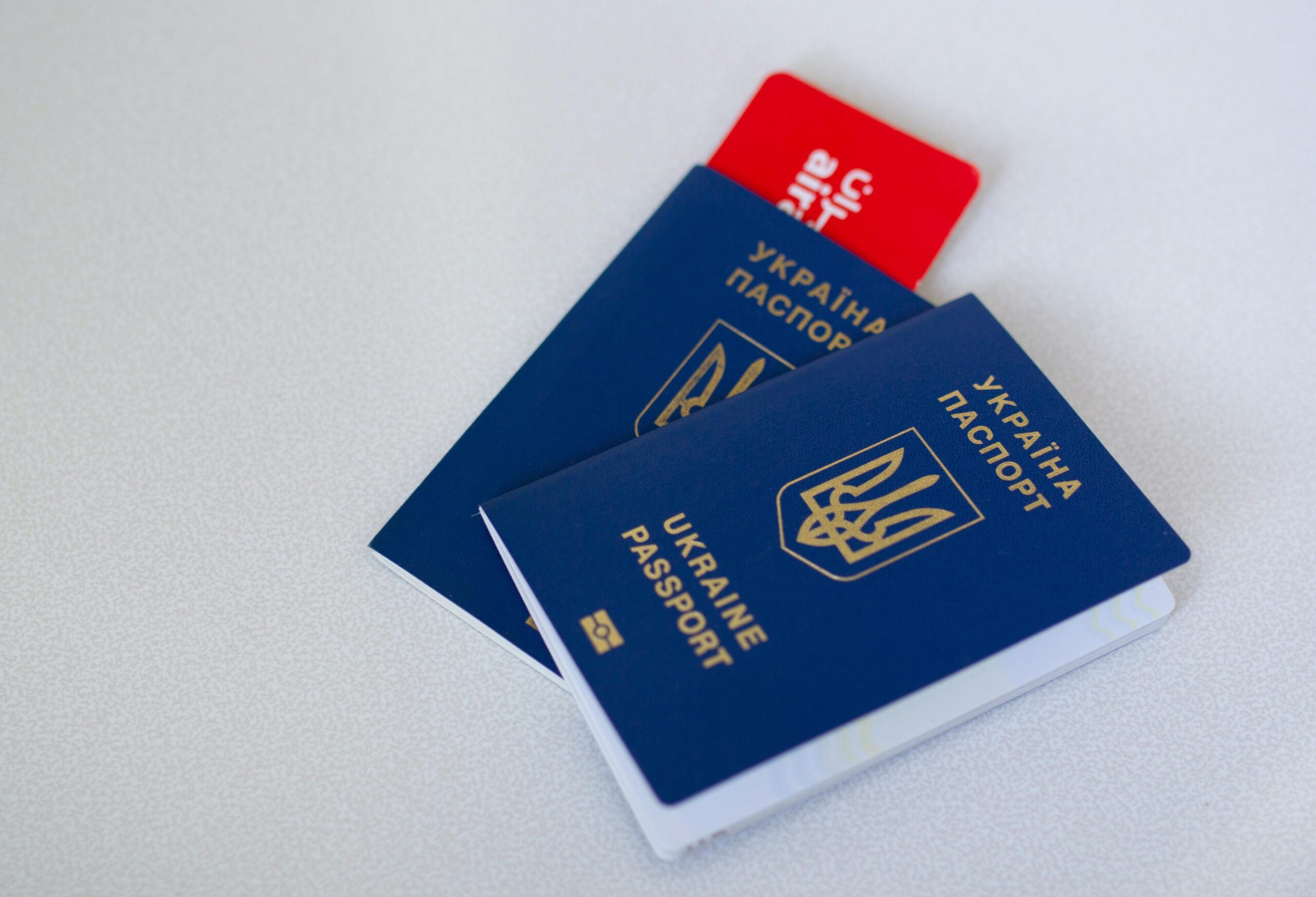
The family reunification process is a key aspect of immigration for Latinos, particularly when trying to bring close relatives into a new country. This guide aims to provide all the essential details for those looking to understand the steps involved in the family reunification process, its legal requirements, documentation, and timelines. Whether you’re in the early stages of considering family reunification or you’re already gathering documents, this article will break down everything you need to know.
Facing eviction? Click for legal help.What is Family Reunification for Latinos?
Family reunification is a legal process that allows individuals living in a country to sponsor their relatives to join them. For Latinos, this typically means bringing family members such as parents, spouses, or children from their home countries to the United States or other countries.

This process helps maintain family unity and ensures that families do not remain separated for extended periods of time. However, the process varies depending on the country and the specific immigration laws in place, which can be overwhelming for those unfamiliar with it.
Legal Requirements for Family Reunification for Latinos
To successfully reunite with family members, it’s crucial to meet specific legal requirements. These requirements ensure that both the person seeking to reunite and their family members are eligible for the process.
Eligibility to Apply for Family Reunification:
- Legal Status of the Sponsor: The sponsor, the person seeking to bring family members into the country, must typically be a U.S. citizen or a lawful permanent resident (green card holder).
- Relationship to the Family Member: The family member being sponsored must meet the immigration criteria, meaning that they are considered an immediate relative, such as a spouse, child, or parent. Extended family members may also be eligible, but the process for them may be more complex.
- Financial Requirements: The sponsor must be able to prove they have the financial means to support their family members once they arrive. This is usually done through an Affidavit of Support.
Documentation Needed to Start the Process
Documentation is one of the most critical aspects of the family reunification process. Gathering and submitting the correct documents can significantly impact the timeline and success of the application. Here’s a list of documents that are typically required:
- Proof of Citizenship or Legal Permanent Residency: This could include a birth certificate, naturalization certificate, or green card.
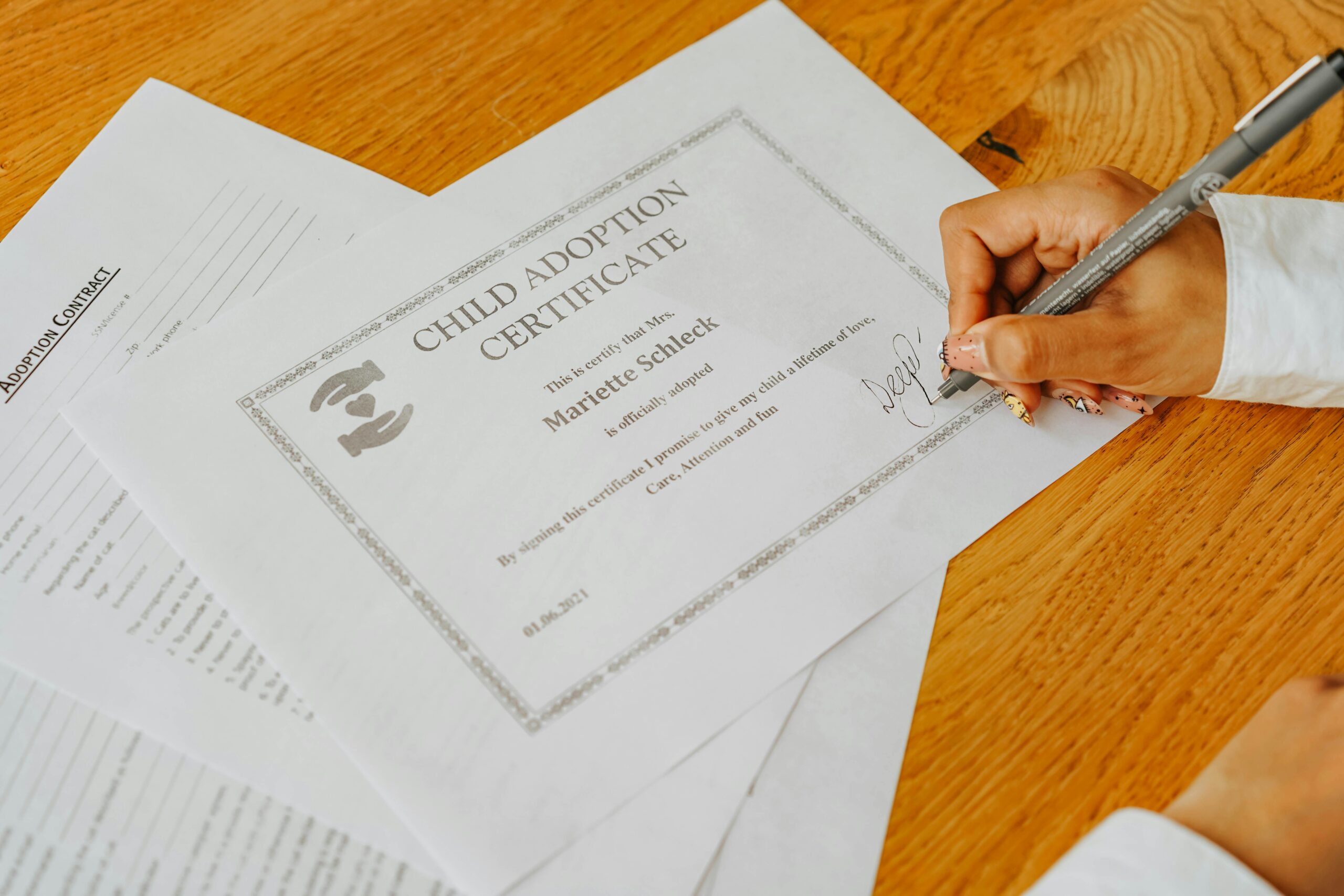
- Proof of Relationship: Documents such as marriage certificates for spouses, birth certificates for children, and adoption papers for adopted children.
- Financial Documentation: Proof of income, such as tax returns, pay stubs, or bank statements.
- Form I-130 (Petition for Alien Relative): This form is necessary for sponsoring a relative and must be filed with the U.S. Citizenship and Immigration Services (USCIS).
Having all required documents ready will streamline the process and reduce the chances of delays or rejections.
Steps for Family Reunification: A Detailed Guide
Understanding the steps involved in the family reunification process can help make the entire experience smoother and more manageable. Below is a simple breakdown of the key steps.
Step 1: Apply for the Necessary Visa or Permits
The first step in the family reunification process is to submit a petition to the appropriate authorities. This usually involves:
- Filing Form I-130: The sponsor must file this form with USCIS to initiate the process. This petition demonstrates the relationship between the sponsor and the family member.
- Wait for Petition Approval: After filing, USCIS will review the petition and decide whether it meets the necessary criteria. If approved, the case will be sent to the National Visa Center (NVC) for further processing.
Step 2: Submit Required Documents
Once the petition is approved, the next step involves gathering and submitting all necessary documents for the family member’s visa application. These typically include:
- Visa Application Form DS-260: The family member applying for the visa must complete this form.
- Medical Examination Records: A health examination performed by an approved physician is required.
- Additional Documents: Depending on the circumstances, additional documentation may be needed, such as police certificates or court records.
Submitting the correct documents on time will help avoid unnecessary delays.
Timelines and Wait Times for Family Reunification
The wait time for family reunification can vary significantly depending on several factors, including the country of origin, the family member being sponsored, and the type of visa being applied for. Generally, the process can take anywhere from a few months to several years.
- Immediate Relatives (spouses, children, parents): These petitions typically have faster processing times, with wait times of around 6 months to 1 year.
- Other Family Members: For other relatives, such as siblings, the process can take much longer, often several years, due to limited visa availability.
It is essential to keep track of the status of your petition and ensure that all necessary steps are completed as soon as possible to avoid delays.
Benefits of Family Reunification for Latinos
Family reunification brings numerous benefits, not only for the sponsor but also for the family members being reunited. Some of the key benefits include:
- Emotional and Psychological Well-being: Reuniting with loved ones provides a sense of security and emotional stability, improving overall well-being.
- Access to Better Opportunities: Family members can benefit from the opportunities available in the new country, such as education, employment, and healthcare.
- Legal Residency Status: Once family members are granted residency, they can live, work, and travel within the country without the constant fear of deportation.
Common Mistakes and How to Avoid Them
While the family reunification process can be straightforward if done correctly, there are common mistakes that applicants often make. Here’s how to avoid them:
- Incomplete or Incorrect Documentation: Make sure all required documents are submitted, filled out correctly, and signed. Double-check everything before submission.
- Missing Deadlines: Some steps, such as submitting documents or attending interviews, have strict deadlines. Missing these deadlines can delay or even cancel the process.
- Not Keeping Records: Keep copies of all forms, documents, and correspondence. Having a backup can be crucial in case of complications or delays.
By staying organized and attentive to details, the process will run more smoothly.